
From my office in Birch Bay Square
What is it actually like to live this close to Canada?
One of the questions I hear most from buyers looking in Blaine is simple: what is it actually like to live this close to Canada?
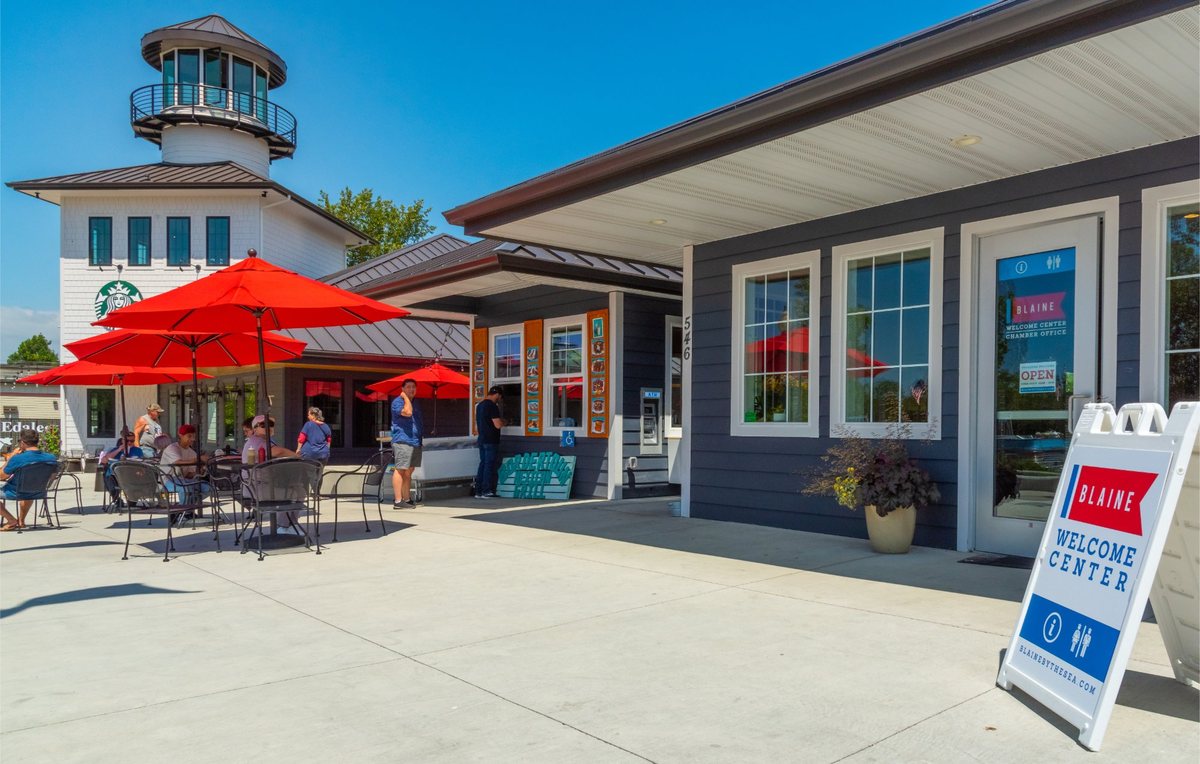
I get to answer that question from a pretty good vantage point. My office is in Birch Bay Square, just minutes from the border, and I spend my days showing homes all over Blaine and Birch Bay. For a lot of people, living near the border is one of the best parts of life here. Vancouver is close enough for a dinner out, a concert, or a weekend away, and the border gives this town a character you won’t find anywhere else in Whatcom County.
It also comes with some practical things worth understanding before you buy. Here’s what I walk my clients through.
Getting across
Two crossings right in town
Blaine has two border crossings into British Columbia, and both are open 24 hours a day, every day.
Peace Arch
North end of I-5
Passenger vehicles only. The crossing most people picture when they think of Blaine.
Pacific Highway
About a mile east on SR 543
Handles both passenger cars and commercial trucks.
Locals often check both before heading north, since one can move noticeably faster than the other depending on the day. If your destination is farther east in the Lower Mainland, the Lynden and Sumas crossings are also options. Over time, most residents figure out which crossing works best for where they’re going.
Travel documents
Choosing the right ID
If you plan to cross regularly, getting the right document early will save you hassle. Here are the main options for U.S. citizens:
01
Passport book
Works for land, sea, and air travel anywhere. If you travel internationally by plane, you’ll want one regardless.
02
Passport card
A wallet-sized card from the State Department that works for land and sea crossings to Canada, Mexico, Bermuda, and some Caribbean destinations. It costs less than a passport book but can’t be used for international flights. It also qualifies you for Ready Lanes at land crossings. If you already have a passport book, you can add a card by mail.
03
Washington Enhanced Driver License or ID
Washington was the first state to offer an enhanced license, and it was created with the B.C. border in mind. It works as your driver license, a REAL ID for domestic flights, and a document for crossing the land border into Canada and back. You’ll need to show proof of U.S. citizenship and Washington residency, and it costs a bit more than a standard license. It’s completely optional.
04 · My first recommendation
NEXUS
If you cross often, this is the one I recommend looking into first. NEXUS is a trusted traveler program run jointly by U.S. Customs and Border Protection and the Canada Border Services Agency. Members are prescreened and can use dedicated NEXUS lanes, which can make a big difference on busy days. Membership lasts five years.
Applying for NEXUS
The process includes an online application, background checks by both countries, and an in-person interview with both a U.S. and a Canadian officer. One local perk: there’s a NEXUS enrollment center right here in Blaine, so residents don’t have to travel far for that interview. Processing can take a while, so if you’re planning a move to Blaine, it’s worth starting the application early.
Fees and requirements change from time to time, so check the official CBP, State Department, and Department of Licensing sites for current details before you apply.
Good to know
Planning around wait times
Border traffic has its own rhythm. Holiday weekends on either side of the border can mean longer lines, while a weekday morning can be a breeze. NEXUS lanes also run on set hours rather than around the clock, so it’s worth knowing the schedule.
The Washington State Department of Transportation posts live border wait times and camera views online for the Blaine, Lynden, and Sumas crossings. There are also electronic signs along I-5 north of Bellingham showing current waits as you approach. Checking before you leave quickly becomes second nature.
Life in Blaine
The ebb and flow of the seasons
One of the things I love most about Blaine is how the town shifts with the seasons. Summer brings longer days, more visitors, and a lively waterfront. Fall and winter settle into a quieter pace, when the beaches and trails feel like they belong to the locals. Then spring arrives and the whole cycle starts again.
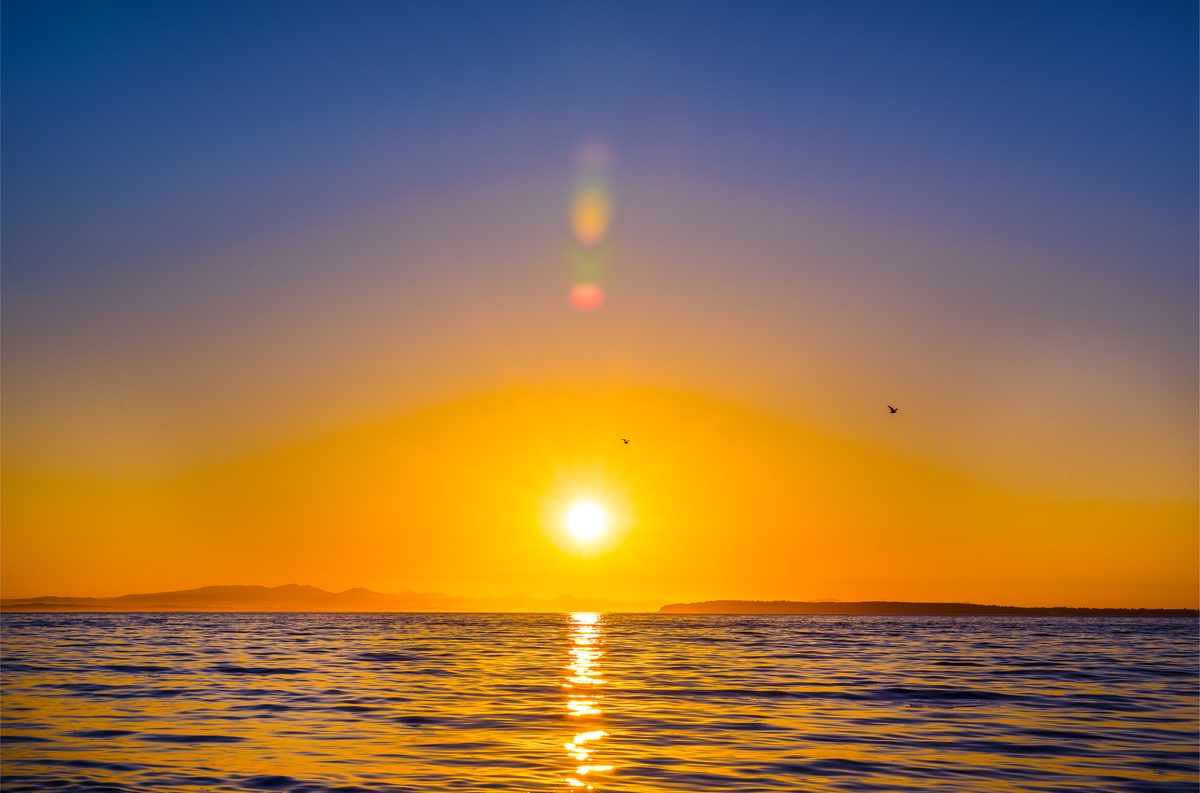
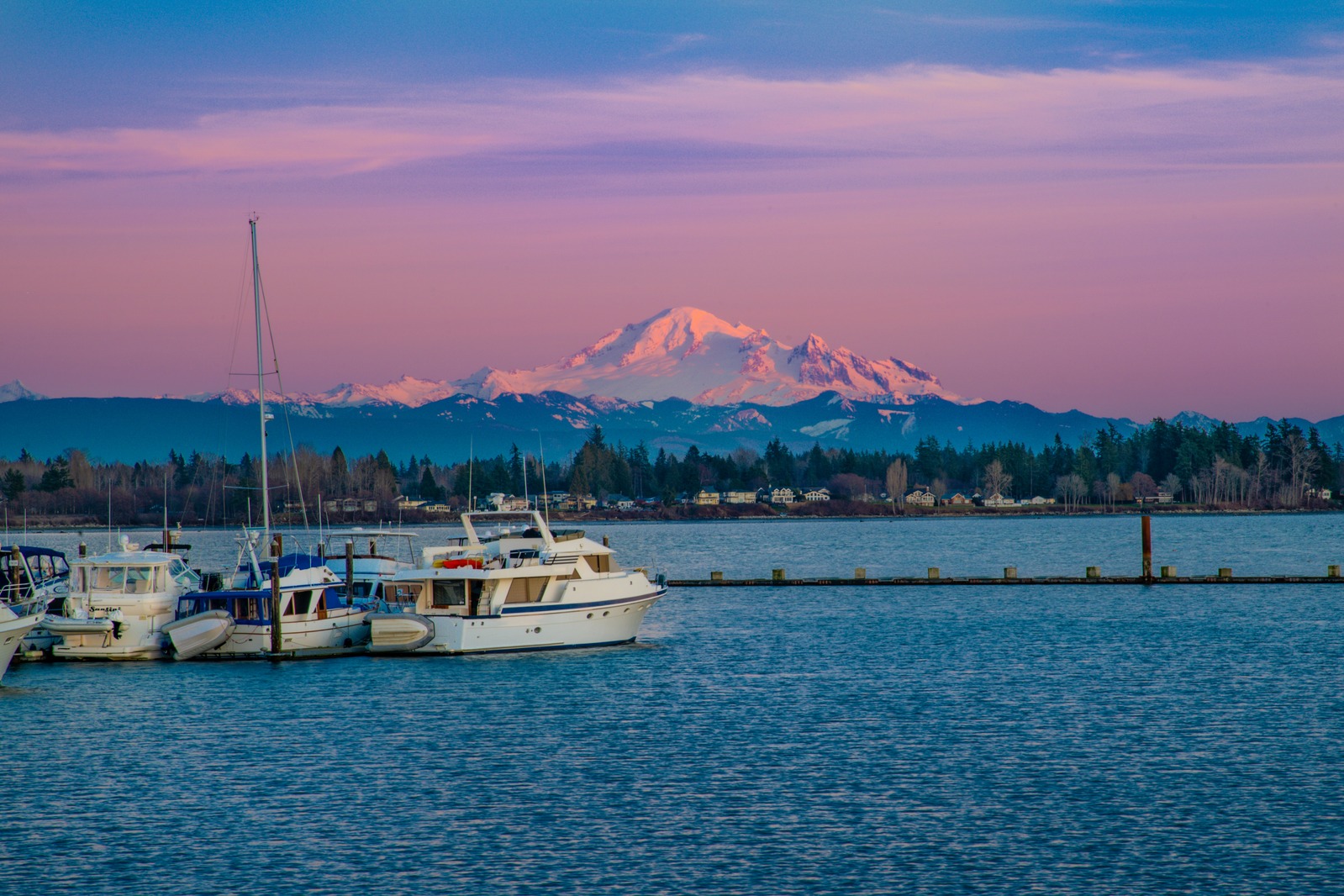
Living here, you learn to enjoy each season for what it is. And no matter the time of year, you get spoiled having a view of Mount Baker everywhere in town.
Two parks, two countries
Peace Arch Park
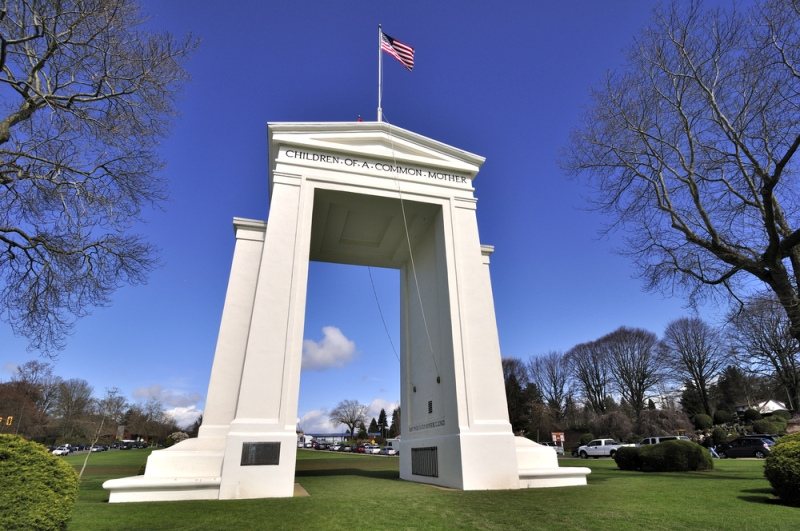
Right at the crossing is Peace Arch Historical State Park, one of the most unique places in the Northwest. It’s actually two parks in two countries: the southern half is a Washington State Park and the northern half belongs to British Columbia’s park system.
At its center is the 67-foot white Peace Arch, built in 1921 to honor the long peace between the two countries. The Washington side has lawns, gardens, picnic areas, a playground, and an annual outdoor art exhibition in the warmer months. It’s open year-round for day use, leashed dogs are welcome on the paths, and you’ll need a state parks pass or a day-use payment to park.
My favorite spot in town
Drayton Harbor Oyster Company
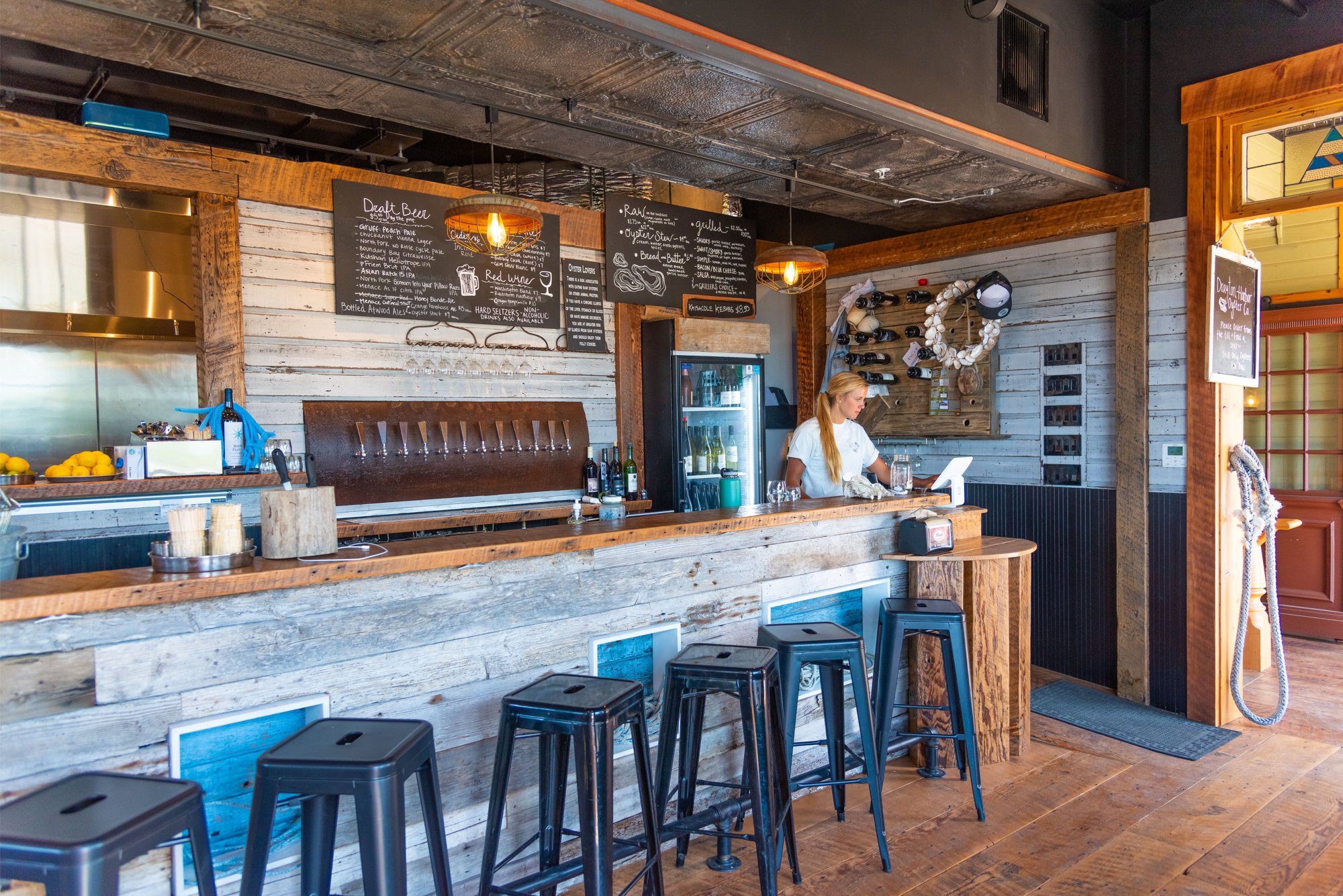
If you ask me where to eat in Blaine, my answer is always Drayton Harbor Oyster Company. They farm their own oysters right in Drayton Harbor and serve them at their restaurant on Peace Portal Drive, overlooking the marina and the bay.
It’s the kind of place that makes you feel lucky to live here, and it’s the first stop I recommend to anyone getting to know Blaine.
A close-knit town
How the border shapes the community
Blaine has always had close ties with its neighbors to the north. Canadian shoppers and visitors have long been a big part of the local economy, from gas stations to restaurants to the parcel businesses where Canadians pick up online orders.
Since early 2025, fewer British Columbians have been crossing south, and Blaine businesses have felt it. For those of us who live here, shopping and eating local matters more than ever, and it’s part of what makes this such a close-knit place.
For cross-border buyers
If you’re buying across the border
I also work with buyers who split their time between the U.S. and Canada, or who are moving here from British Columbia. Cross-border purchases come with extra considerations worth planning for from the start:
Financing
Lending for non-U.S. citizens works differently, so connect with a lender who regularly handles cross-border buyers before you start touring homes.
Taxes when you sell
Under a federal law called FIRPTA, when a foreign owner sells U.S. real estate, the buyer is generally required to withhold 15% of the sale price and send it to the IRS, with some exceptions. That withholding is a deposit toward the tax owed, not the tax itself, and it can be reduced in some situations by applying to the IRS before closing. It’s important to understand this when you buy, not just when you sell.
Tax and legal advice
Owning property in another country can affect your taxes at home too. I always recommend working with a tax professional who specializes in U.S. and Canadian cross-border situations.
I’m happy to connect you with professionals I trust.
